
Auto Insurance to fit your needs
Key Affiliations:
Foremost
Lemonade
And More!
National General
Liberty Mutual
What affects my auto Insurance?
What things can I do to lower my interest rate?
-
Accidents: At-fault accidents usually increase your rates because you're considered a higher risk.
Speeding tickets: Moving violations can increase your premium.
DUI/DWI: Can cause a significant rate increase and make it harder to find coverage.
Claims: Multiple insurance claims can make you look riskier to insure.
Clean driving record: No accidents or tickets generally means lower rates.
Years of driving experience: More experience can help you qualify for better rates.
-
Payment history: Late payments may negatively affect your insurance score.
Credit utilization: Using a large portion of your available credit can hurt your score.
Length of credit history: A longer credit history can help.
Outstanding debt: High levels of debt may negatively affect your score.
New credit accounts: Opening several accounts in a short period may hurt your score.
How does it affect insurance rates?
Better insurance score: May qualify you for lower premiums.
Lower insurance score: May result in higher premiums.
Limited credit history: Some companies may have difficulty evaluating you.
-
More driving means more exposure. The more you drive, the higher your premium. Likewise, the more expensive the car or the higher the cost to repair, the higher the premium. Low mileage: Driving fewer miles can result in lower premiums.
High mileage: More time on the road generally means greater accident risk.
Commuting: Daily commuting can increase your annual mileage.
Pleasure use: Occasional driving may qualify for lower rates.
Business use: Using your vehicle for work can affect your rate and coverage requirements.
The type of vehicle you drive can significantly affect your insurance premium.
Vehicle value: More expensive vehicles generally cost more to insure.
Repair costs: Vehicles with expensive parts or specialized repairs may have higher premiums.
Safety ratings: Vehicles with strong safety features may qualify for discounts.
Theft rates: Frequently stolen vehicles may cost more to insure.
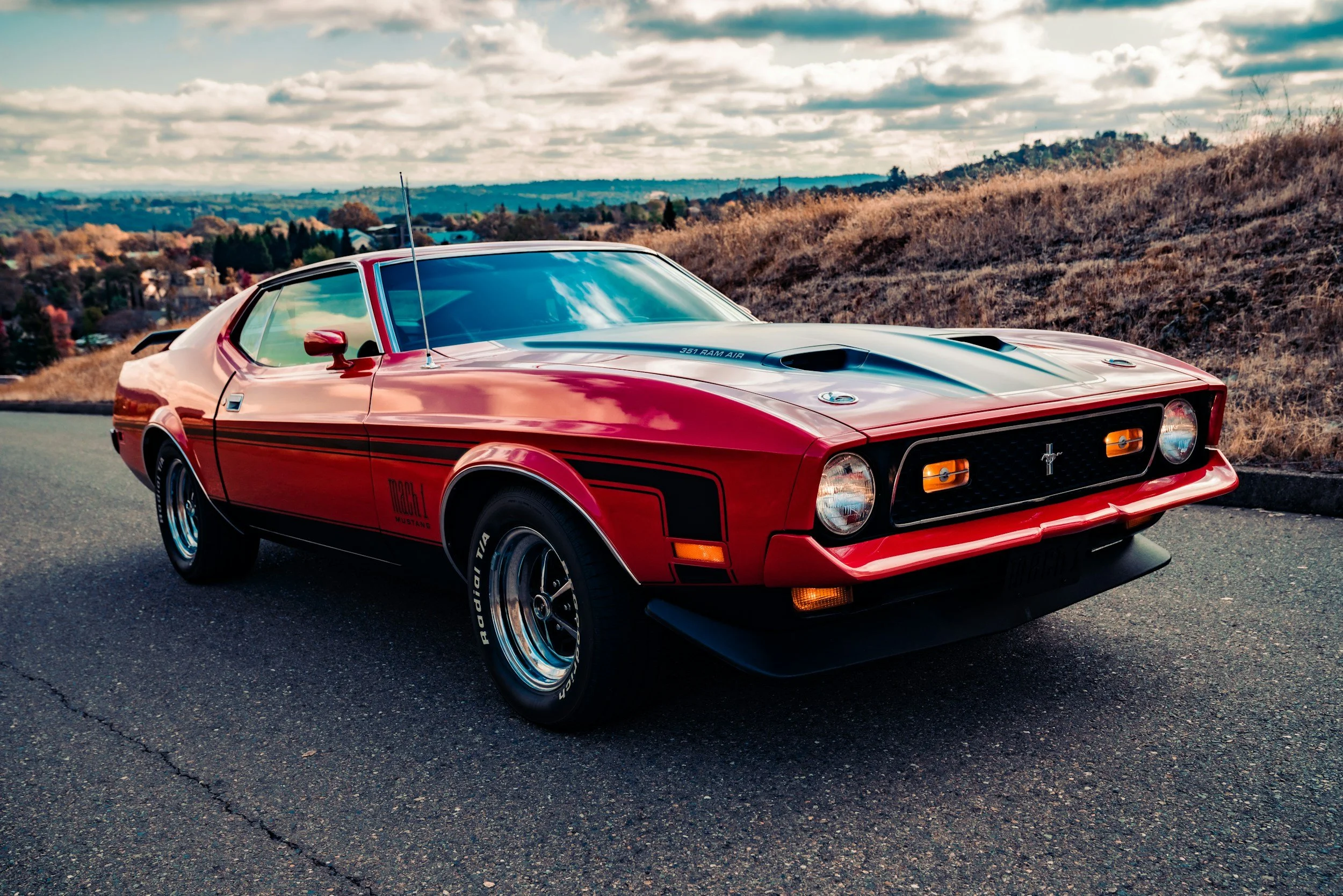
Engine size and performance: High-performance and sports cars often have higher premiums.
Vehicle size: Larger vehicles can have different accident and damage risks.
-
Coverage limits are the maximum amount your insurance company will pay for a covered claim.
Higher limits: Generally result in higher premiums but provide more financial protection.
Lower limits: Usually result in lower premiums but leave you responsible for more costs if damages exceed your coverage.
Liability limits: Determine how much your insurance pays for injuries or property damage you cause to others.
Full coverage: Comprehensive and collision protect your vehicle against certain damages, subject to your deductibles and policy terms.
A deductible is the amount you pay out of pocket before your insurance covers the remaining covered damage.
Higher deductible: Usually means a lower monthly or annual premium.
Lower deductible: Usually means a higher premium but less out-of-pocket expense when filing a claim.
$500 deductible: You pay the first $500 of covered damage.
$1,000 deductible: You pay the first $1,000 of covered damage.
What Options Do I Have?

State Minimums 25/50/15
Arizona requires all drivers to carry minimum liability insurance to legally operate a vehicle on public roads.
Required by Arizona law
What are the state minimums?
Arizona requires liability coverage of 25/50/15.
What does 25/50/15 mean?
$25,000 per person: Pays up to $25,000 for injuries to one person you injure in an at-fault accident.
$50,000 per accident: Pays up to $50,000 total for injuries to multiple people in one accident.
$15,000 property damage: Pays up to $15,000 for damage you cause to someone else's property, including vehicles, buildings, or other structures.
Glass Coverage
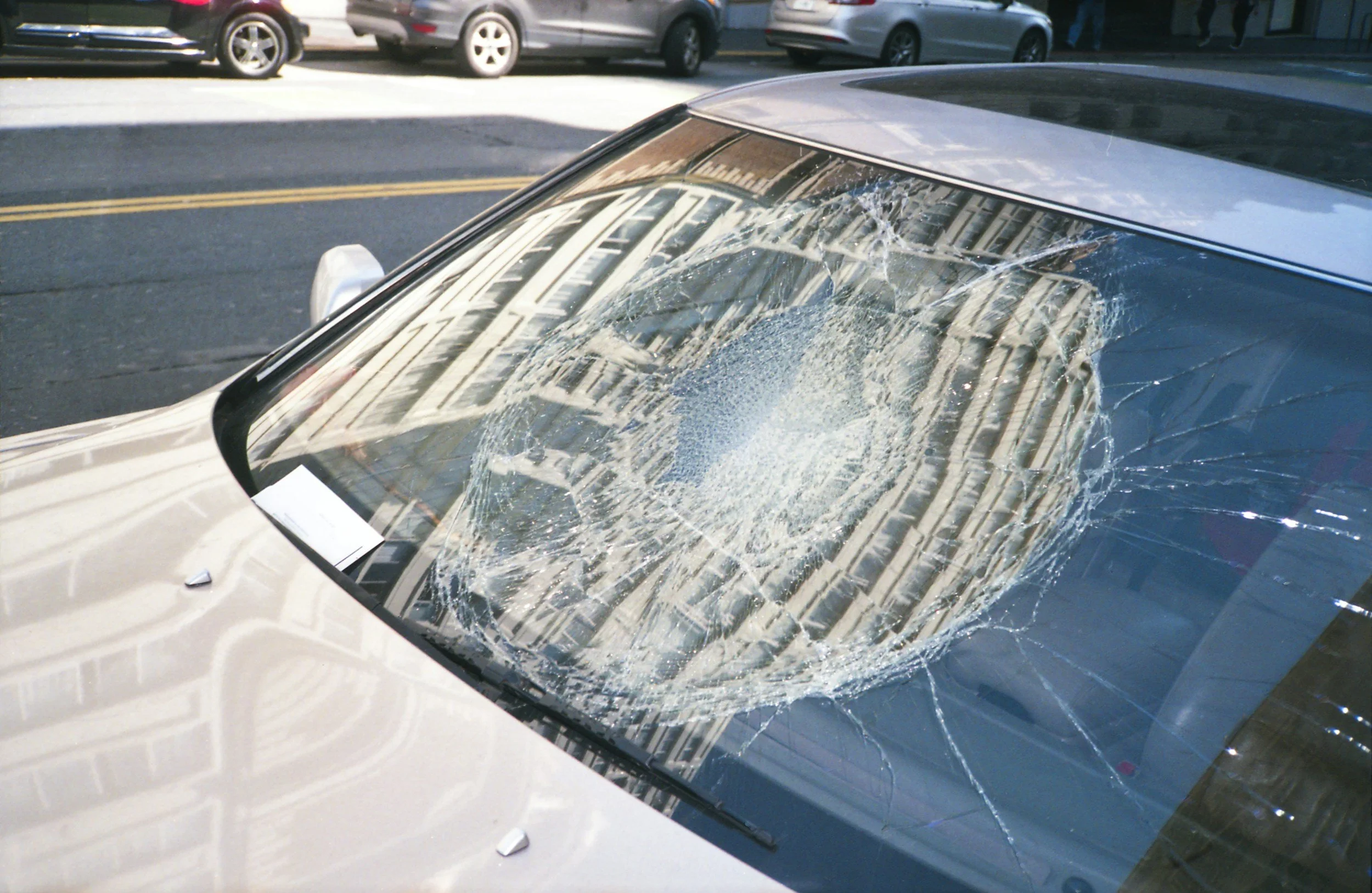
What does glass coverage cover?
Windshield damage: Cracks, chips, or other windshield damage.
Side windows: Broken or damaged passenger or driver windows.
Rear windows: Damage to your vehicle's back glass.
Sunroofs: Damage to covered glass sunroofs or moonroofs.
Glass replacement: Pays toward replacing damaged glass when repairs aren't possible, subject to policy terms.
Collision
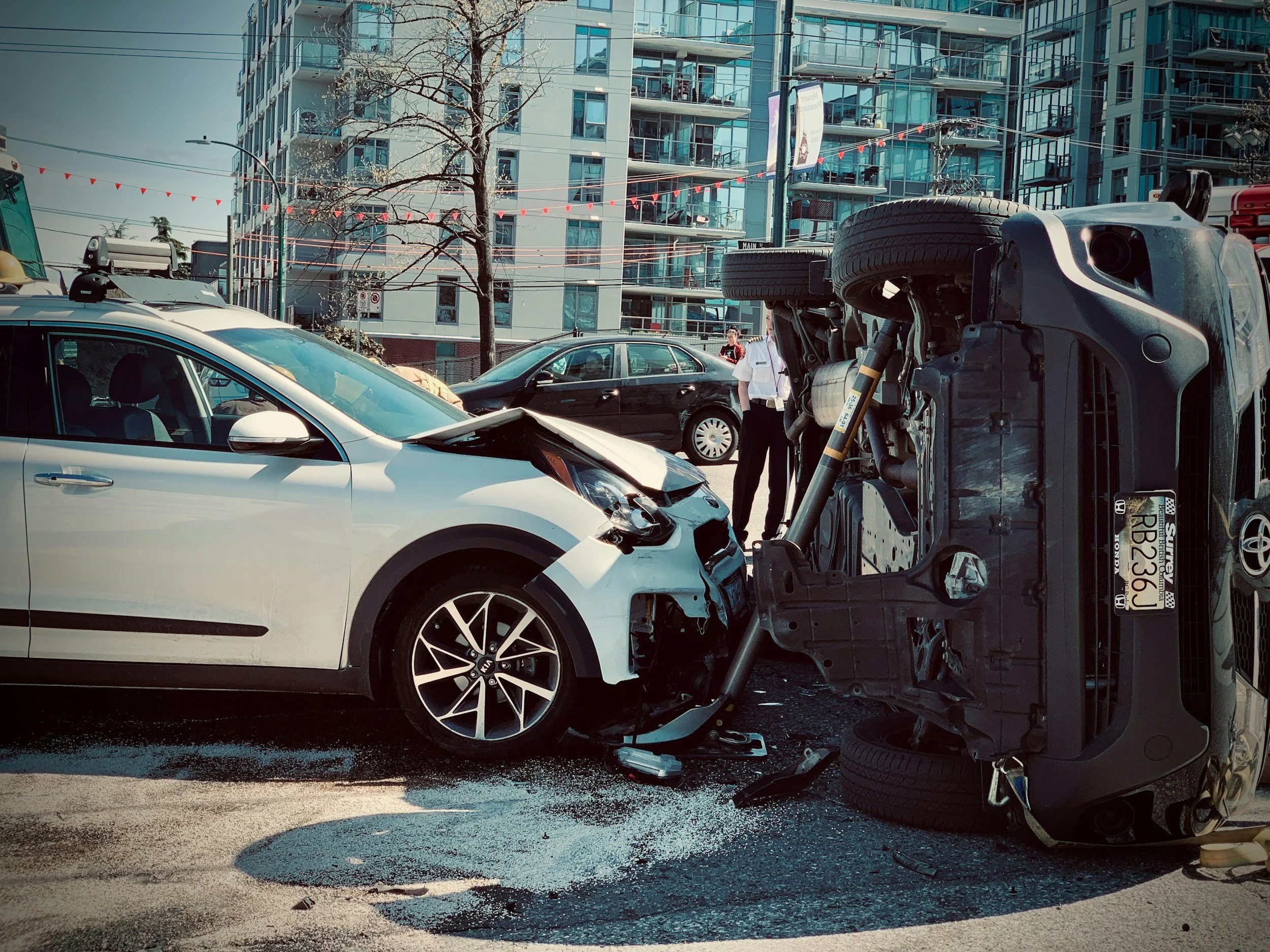
What does collision insurance cover?
Another vehicle: Damage from hitting another car.
Single-car accidents: Hitting a tree, pole, guardrail, or other object.
Rollovers: Damage if your vehicle rolls over.
Potholes: Damage to your vehicle caused by hitting a pothole.
Hit-and-run accidents: Damage to your vehicle when another driver hits it and leaves
Comprehensive
What does comprehensive insurance cover?
Theft: Your vehicle is stolen.
Vandalism: Someone intentionally damages your vehicle.
Fire: Your vehicle is damaged by a fire.
Hail: Hail damages your vehicle.
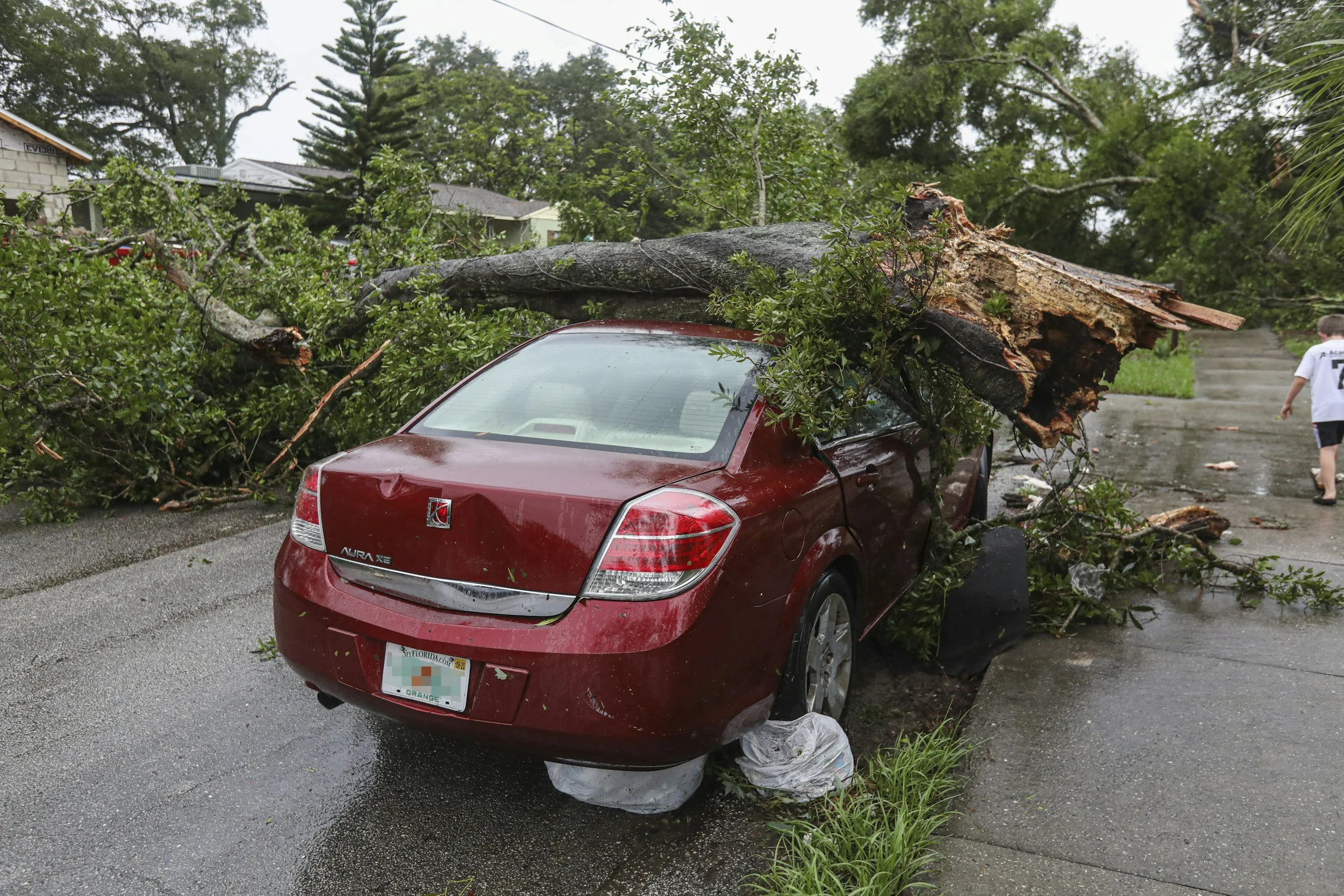
Flooding: Your vehicle is damaged by flooding.
Falling objects: A tree branch or other object falls on your vehicle.
Animal damage: You hit a deer or another animal.
Glass damage: Your windshield or windows are damaged, subject to policy terms.
Rental/Roadside
What does rental reimbursement cover?
Accident repairs: Pays toward a rental car while your vehicle is being repaired after a covered accident.
Theft: Helps pay for a rental while your stolen vehicle is being recovered or the claim is resolved, subject to policy terms.
Covered damage: May apply when your vehicle is damaged by a covered collision or comprehensive claim.
What does roadside assistance cover?
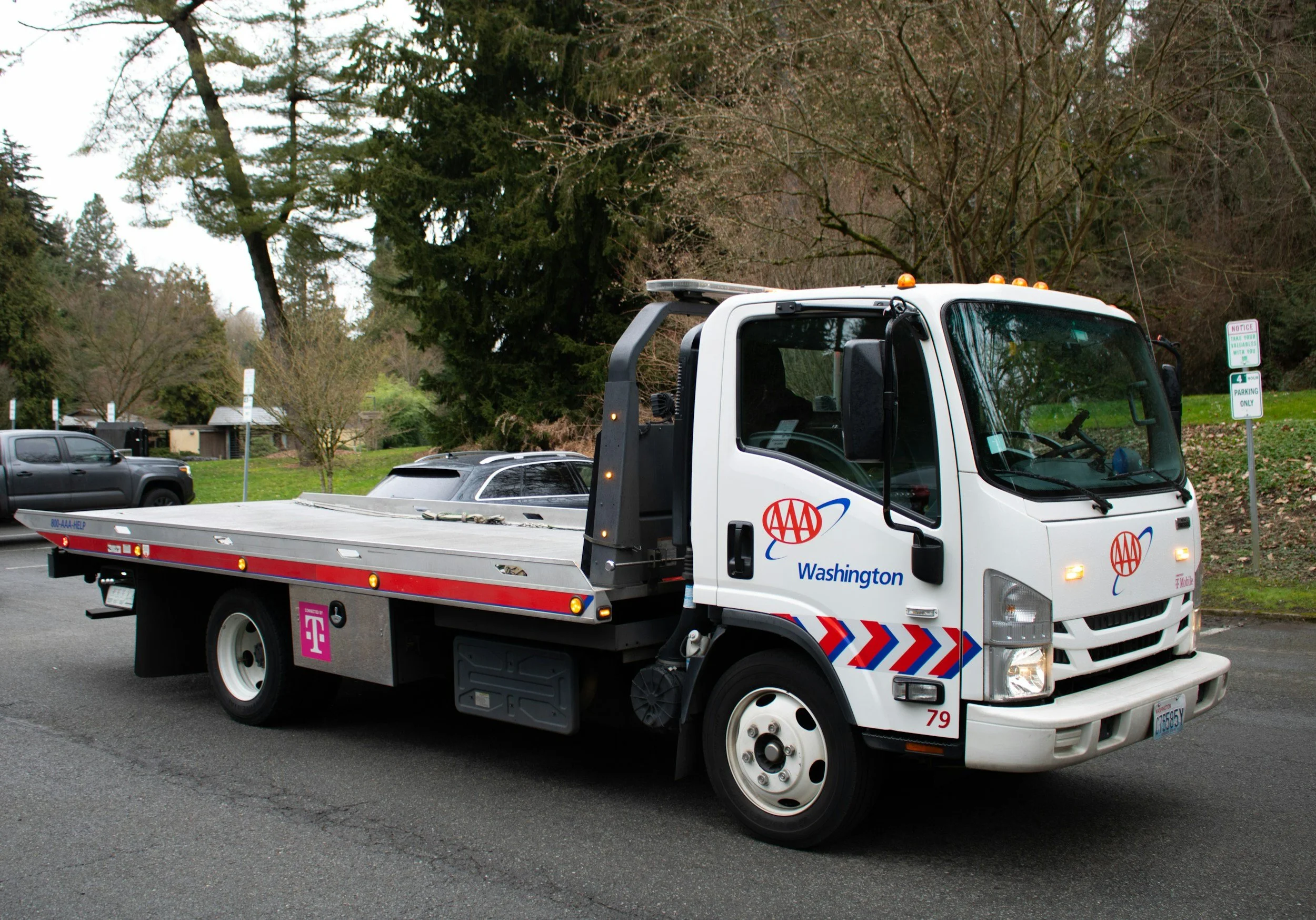
Towing: Helps pay to tow your vehicle if it breaks down.
Flat tires: Assistance with changing a flat tire.
Dead batteries: Jump-starting a dead battery.
Lockouts: Help if you lock your keys inside your vehicle.
Fuel delivery: Delivers fuel if you run out of gas.
Minor mechanical assistance: Basic roadside help to get your vehicle moving again.

Uninsured Motorist
Uninsured Motorist coverage helps protect you if you're injured in an accident caused by a driver who doesn't have auto insurance.
Optional coverage
What does uninsured motorist coverage cover?
Medical expenses: Helps pay for injuries you and your passengers sustain.
Lost wages: May help compensate for income lost due to accident-related injuries.
Pain and suffering: May provide compensation for covered non-economic damages.
Other injury-related damages: Helps cover eligible damages caused by an uninsured at-fault driver.

Underinsured Motorist
Underinsured Motorist coverage helps protect you if you're injured in an accident caused by someone whose insurance isn't enough to cover your damages.
Optional coverage
What does underinsured motorist coverage cover?
Medical expenses: Helps cover injuries when the at-fault driver's limits are insufficient.
Lost wages: May help compensate for income lost due to injuries.
Pain and suffering: May cover eligible non-economic damages.
Additional injury-related damages: Helps provide compensation beyond what the at-fault driver's insurance can pay, subject to policy limits and applicable rules.

Medical Coverage
Medical Payments coverage helps pay for reasonable medical and funeral expenses if you or your passengers are injured in an automobile accident, regardless of who caused the accident.
Optional coverage
What does Medical Payments coverage cover?
Hospital bills: Emergency room visits and hospital treatment.
Doctor visits: Medical appointments related to accident injuries.
Ambulance services: Emergency transportation to a medical facility.
Surgery: Eligible medical procedures resulting from an accident.
Funeral expenses: Certain expenses if someone dies as a result of a covered accident.

Initiate a Productive DialogueComplete the form with contextual information regarding your challenges, timelines, and desired outcomes, and our team will respond promptly with an evidence-based recommendation framework.